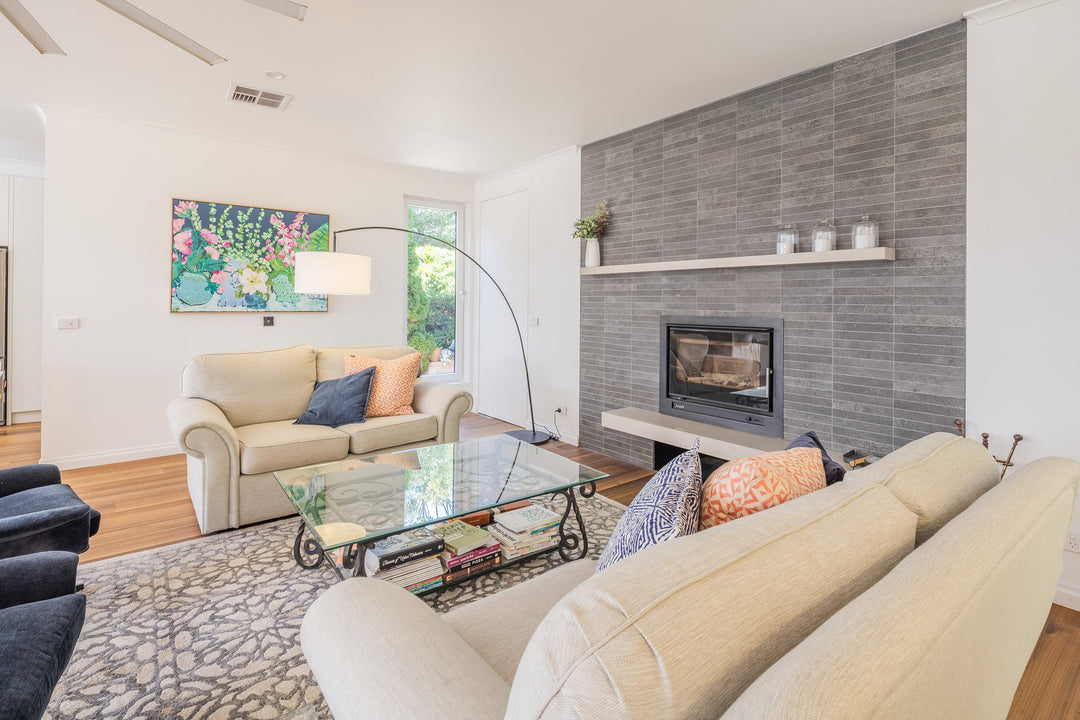
Why Build a Passive Home on the Surf Coast?
The Surf Coast is one of Australia’s most beautiful places to live — dramatic coastlines, fresh ocean air, and a relaxed lifestyle that’s hard to beat. Personally, I couldn't think of living anywhere else. But anyone who lives here knows the climate can be demanding. Strong winds, salty air, cool winters, and increasingly hot summers all place real pressure on the way homes are designed and built. Super energy efficient homes are becoming a real thing.
That’s exactly why a Passive House is such a smart fit for the Surf Coast.
Below, we’ll unpack what makes Passive Homes so well suited to this unique coastal environment — and why more people in Torquay, Anglesea and Lorne are choosing this approach for long-term comfort, resilience, and value.
1. A Climate That Rewards Smart Design
The Surf Coast experiences wide temperature swings, persistent coastal winds, and high humidity at times. Traditional homes often struggle here — cold and draughty in winter, overheated in summer, and expensive to run year-round.
Passive Homes are specifically designed to handle these challenges by:
-
Creating an airtight building envelope that blocks cold winds
-
Using high-performance insulation to stabilise indoor temperatures
-
Carefully managing solar gain so the home warms naturally in winter and stays cool in summer
The result is a home that feels comfortable every day, regardless of what the weather is doing outside.
2. Exceptional Comfort, All Year Round
One of the most noticeable benefits of a Passive Home is how it feels to live in.
On the Surf Coast, this means:
-
No icy drafts blowing in from the ocean
-
Even temperatures throughout the house — no cold bedrooms or overheated living areas
-
Warm internal surfaces in winter, which dramatically improves comfort
Because Passive Homes rely on performance rather than constant mechanical heating or cooling, comfort is consistent, quiet, and effortless.
3. Energy Efficiency That Makes Sense Long-Term
Energy prices aren’t going down — and coastal homes often require more heating and cooling than expected.
A Passive Home typically uses up to 80–90% less energy for heating and cooling than a conventional house. On the Surf Coast, this can translate to:
-
Very low power bills
-
Smaller heating and cooling systems
-
Greater independence from energy price shocks
When paired with solar, many Passive Homes approach net-zero energy use — a big win for both household budgets and the environment.
4. Built for Coastal Durability
Salt-laden air, moisture, and wind can shorten the lifespan of poorly detailed homes. Passive House construction focuses heavily on quality detailing, which improves durability in coastal conditions.
Key benefits include:
-
Reduced condensation within walls and ceilings
-
Better moisture control through mechanical ventilation with heat recovery (MVHR)
-
Longer-lasting building materials and finishes
This means fewer maintenance issues and a home that performs well for decades, not just years.
5. Healthier Indoor Air
Coastal living is all about fresh air — but opening windows isn’t always practical during cold, windy, or smoky conditions.
Passive Homes use continuous filtered ventilation, delivering:
-
Fresh air 24/7 without heat loss
-
Reduced allergens, dust, and pollutants
-
Lower risk of mould and moisture-related health issues
For families, retirees, or anyone sensitive to air quality, this is a major — and often underestimated — benefit.
6. Future-Proofing Your Home and Investment
The Surf Coast property market values quality, sustainability, and low running costs more than ever. Building a Passive Home:
-
Exceeds current building standards
-
Anticipates tighter energy regulations in the future
-
Appeals strongly to environmentally conscious buyers
Whether you plan to live in your home long-term or eventually sell, Passive House principles protect both lifestyle and resale value.
7. Sustainability That Matches the Surf Coast Ethos
People are drawn to the Surf Coast because of its natural beauty — and there’s a growing desire to protect it.
Passive Homes significantly reduce:
-
Greenhouse gas emissions
-
Energy demand on the grid
-
Resource waste over the life of the building
Building this way aligns perfectly with the values of coastal living: respect for nature, efficiency, and thoughtful design.
Final Thoughts
Building a Passive Home on the Surf Coast isn’t just about energy efficiency — it’s about living better. Greater comfort, better air quality, better resilience against the elements, and better long-term value.
In a region where climate, lifestyle, and sustainability intersect so strongly, Passive House design simply makes sense.
If you’re planning to build on the Surf Coast, it’s worth asking not just how your home will look — but how it will perform for the next 30–50 years. Passive design gives you an answer you can feel every single day.